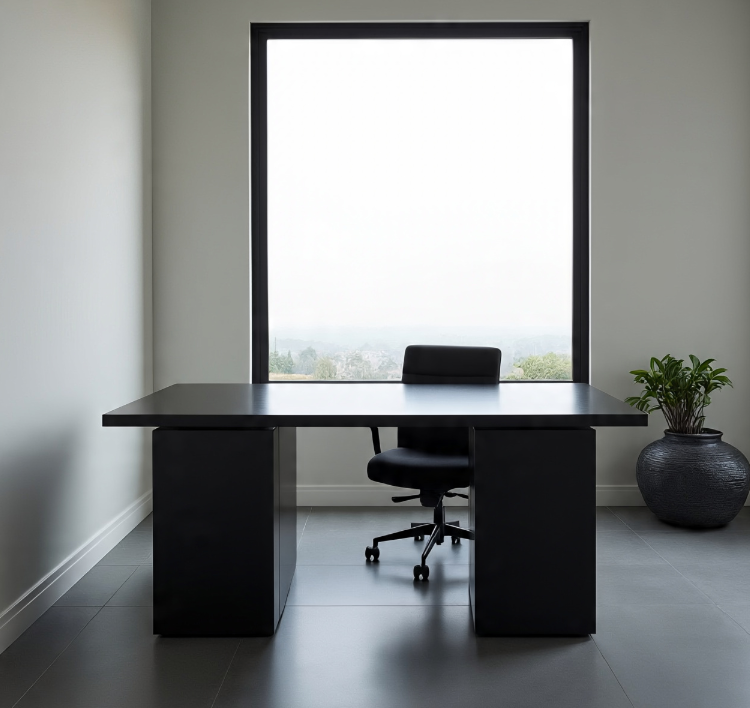
In today’s fast-paced world, a good desk isn’t just a place to put your computer or work materials. It’s an essential piece of furniture that can boost your productivity, comfort, and overall well-being. Whether you are setting up a home office, a study space, or simply looking to replace an old desk, choosing the right one is key to enhancing your work experience. In this article, we will explore various types of desks, their features, and how to select the one that best fits your needs.
Why the Right Desk Matters
A desk isn’t just a functional item; it is a crucial element in your work environment. The right desk improves posture, reduces clutter, and supports your workflow. Investing in a quality desk leads to better productivity and fewer distractions. The design, size, and material of the desk should align with your needs and the space available. Let’s dive deeper into the types of desks and features to look for.
Types of Desks
1. Standing Desks: A Health-Conscious Choice
Standing desks are a growing trend in offices and home workspaces. These desks are adjustable, allowing users to alternate between sitting and standing throughout the day. Research has shown that standing for periods during work can help reduce the risk of obesity, heart disease, and back pain. Standing desks are a great choice for those looking to improve their health while working.
2. Executive Desks: A Professional Statement
For those in managerial or executive roles, the executive desk is often the focal point of the office. These desks are spacious, offering plenty of surface area for computers, paperwork, and office supplies. Executive desks are made from premium materials such as wood or metal, often featuring built-in drawers for added storage. They combine both function and sophistication, making them ideal for professional settings.
3. Corner Desks: Maximizing Small Spaces
Corner desks are perfect for maximizing space in smaller offices or rooms. They fit into the corner of a room, allowing you to make use of the often-unused corner space. These desks typically come with multiple shelves and compartments to store office essentials. If you need a desk that doesn’t take up too much room but offers ample storage, corner desks are an excellent option.
4. Writing Desks: Minimalistic and Elegant
Writing desks are designed with simplicity and functionality in mind. They are ideal for those who need a clean and minimalist workspace. These desks are usually compact, making them perfect for small spaces like bedrooms or apartments. They provide just enough surface area for a laptop, papers, or a few office supplies. Writing desks are perfect for students, freelancers, and those who prefer simplicity in their work environment.
5. Computer Desks: Functional and Tech-Friendly
Computer desks are specifically designed to hold your computer, monitor, keyboard, and other related accessories. These desks come in various sizes and designs, with built-in cable management to keep wires organized. For tech-heavy tasks, a computer desk is an essential investment. Many models offer extra space for storage or additional gadgets, helping to streamline your workspace.
Features to Consider When Choosing a Desk
1. Size and Space Availability
Before purchasing a desk, it’s essential to measure your available space. Desks come in various sizes, from compact desks for small rooms to large ones that can accommodate multiple monitors and equipment. A desk that is too large can make a room feel cramped, while one that’s too small might not provide enough workspace. Ensure that your desk fits comfortably into your space while still offering enough room to work efficiently.
2. Material and Durability
The material of a desk is crucial to its longevity. Common materials include wood, metal, and glass. Wooden desks offer a classic, timeless look and can withstand years of use. Metal desks are sturdy and often used in modern, industrial designs. Glass desks, while aesthetically pleasing, can be more delicate and require careful handling. Choose a material that suits your aesthetic preferences and durability requirements.
3. Ergonomics for Comfort
Ergonomics should be a top priority when selecting a desk. A desk that promotes proper posture can help reduce discomfort and fatigue during long working hours. Adjustable desks, as mentioned earlier, are great for ergonomics, allowing you to alternate between sitting and standing. Additionally, ensure that the height of your desk is appropriate for your chair and that it provides ample legroom for comfort.
4. Storage Options
Consider the storage capabilities of the desk. If you have many office supplies, files, or documents, you’ll need a desk with ample storage. Look for desks with built-in drawers, shelves, or cabinets. Some desks come with hidden compartments to keep your space organized and clutter-free. Choose a desk that allows you to store your essentials without sacrificing too much workspace.
5. Design and Aesthetic
Your desk is a prominent feature of your office or workspace, so the design is important. Choose a desk that complements your overall decor. Whether you prefer a modern, minimalist design or a more traditional look, there are desks available in a variety of styles and finishes. Make sure that the desk you choose not only meets your functional needs but also enhances the aesthetic of the room.
Benefits of Investing in a Quality Desk
1. Improved Productivity
A well-organized desk leads to an organized mind. When your workspace is clean and free from distractions, you can focus better on your tasks. A desk with proper storage, cable management, and enough surface space allows you to work more efficiently.
2. Enhanced Comfort
Ergonomically designed desks help reduce strain on your body, particularly the neck, back, and wrists. Comfort leads to better focus and longer work sessions without feeling fatigued.
3. Aesthetically Pleasing Environment
A stylish desk can transform the look of a room, making it more inviting and conducive to work. Whether it’s a modern design or a classic piece, a desk that suits your taste can make you feel more at ease in your environment.
4. Health Benefits
Investing in standing desks or desks with adjustable height options can improve your overall health. Alternating between sitting and standing can alleviate the negative effects of prolonged sitting and promote better circulation and posture.
Conclusion
Choosing the right desk can make a significant difference in your work life. Whether you need a large executive desk for a professional setting or a compact writing desk for a home office, there are plenty of options to suit every need. Consider factors like size, material, ergonomics, storage, and design to select the desk that will best enhance your workspace. By investing in a high-quality desk, you’re not just improving your workspace; you’re improving your overall productivity and well-being.
FAQs
1. What is the best type of desk for a small room?
For a small room, a corner desk or a writing desk is ideal. These desks are compact yet functional, allowing you to maximize space without sacrificing workspace.
2. How do I choose the right desk size?
Measure your available space and consider how much room you need for your equipment. The desk should fit comfortably in the room while providing enough surface area for your needs.
3. What materials are best for a durable desk?
Wood and metal are two of the most durable materials for desks. Wood offers a classic look, while metal provides sturdiness and a modern design.
4. Are standing desks worth the investment?
Standing desks are a great investment for those looking to improve their posture and reduce the negative effects of prolonged sitting. They can enhance productivity and overall well-being.
5. Can a desk be both functional and stylish?
Yes, many desks are designed to be both functional and aesthetically pleasing. Look for desks that complement your room’s decor while offering the necessary features for your work needs.